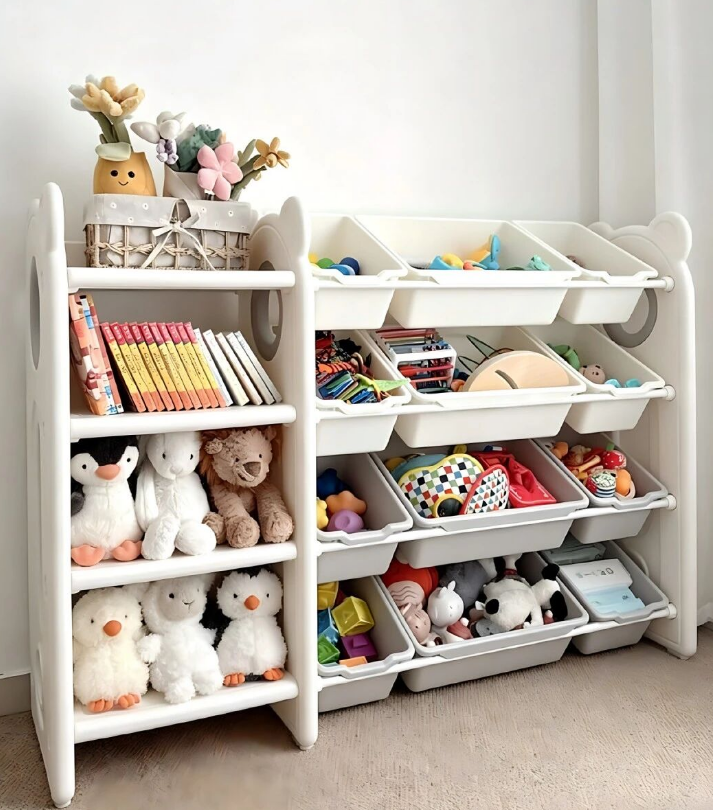

Establishing a consistent daily reading routine helps children develop language skills, imagination, and a lasting love of books. Practical strategies include setting a fixed time, creating a cozy reading corner, and using interactive questioning techniques.
Read Full ArticleJust Published
Latest Articles
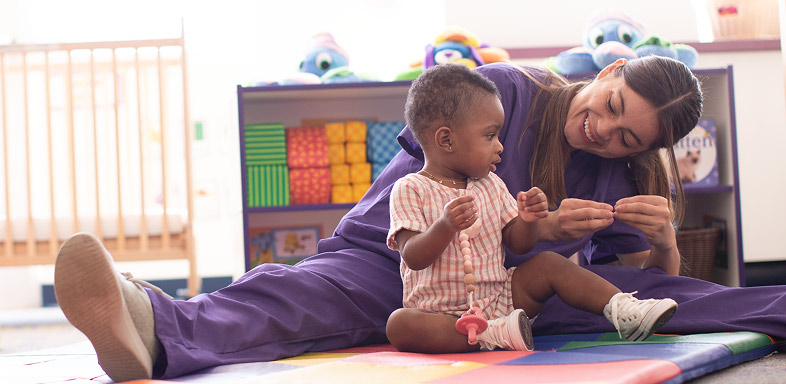
How to Help Children Manage Big Emotions Without Yelling or Tears
Children often experience overwhelming emotions they cannot yet name or control. Parents can help by staying calm, validating feelings, and teaching simple coping strategies like deep breathing and naming emotions.

Why Outdoor Nature Play Boosts Children's Creativity and Focus
Spending time in natural outdoor environments helps children develop creativity, attention span, problem-solving skills, and physical coordination. Simple activities provide richer sensory experiences than most structured indoor toys.
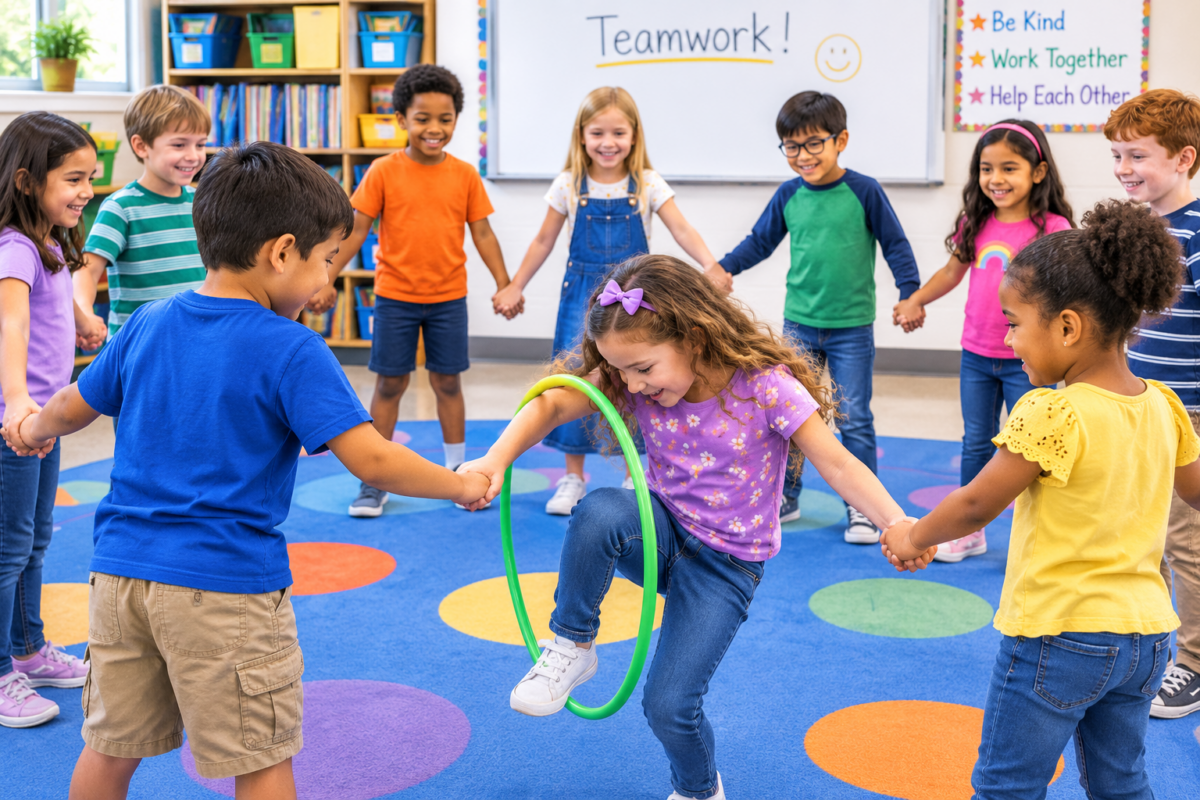
The Best Open-Ended Toys That Spark Imagination in Children
Open-ended toys like blocks, clay, fabric scraps, and loose parts have no fixed purpose, allowing children to use them in unlimited ways. These toys encourage creativity and problem-solving far better than single-function electronic toys.
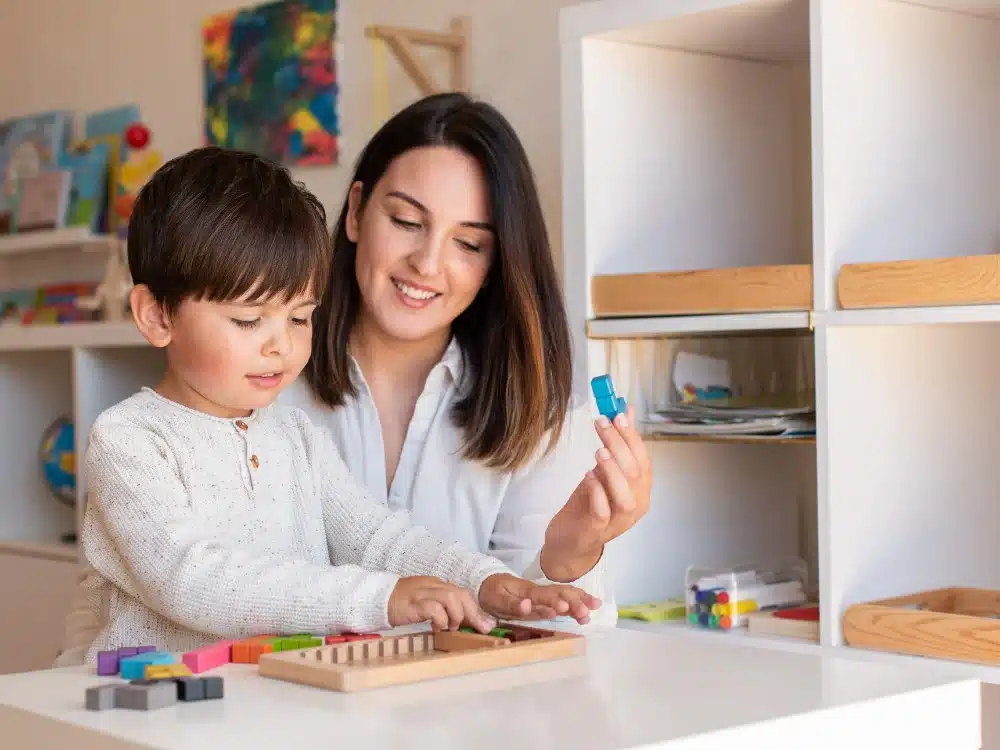
Simple Mindfulness Exercises for Families to Practice Together
Short, playful breathing exercises, body scans, and gratitude practices can help children manage stress, improve focus, and develop emotional awareness. Families who practice together build stronger connections.

Teaching Children About Money Through Everyday Family Moments
Financial literacy begins at home. Parents can introduce concepts like saving, spending, and budgeting through allowance systems and grocery shopping trips, helping children build healthy money habits early.
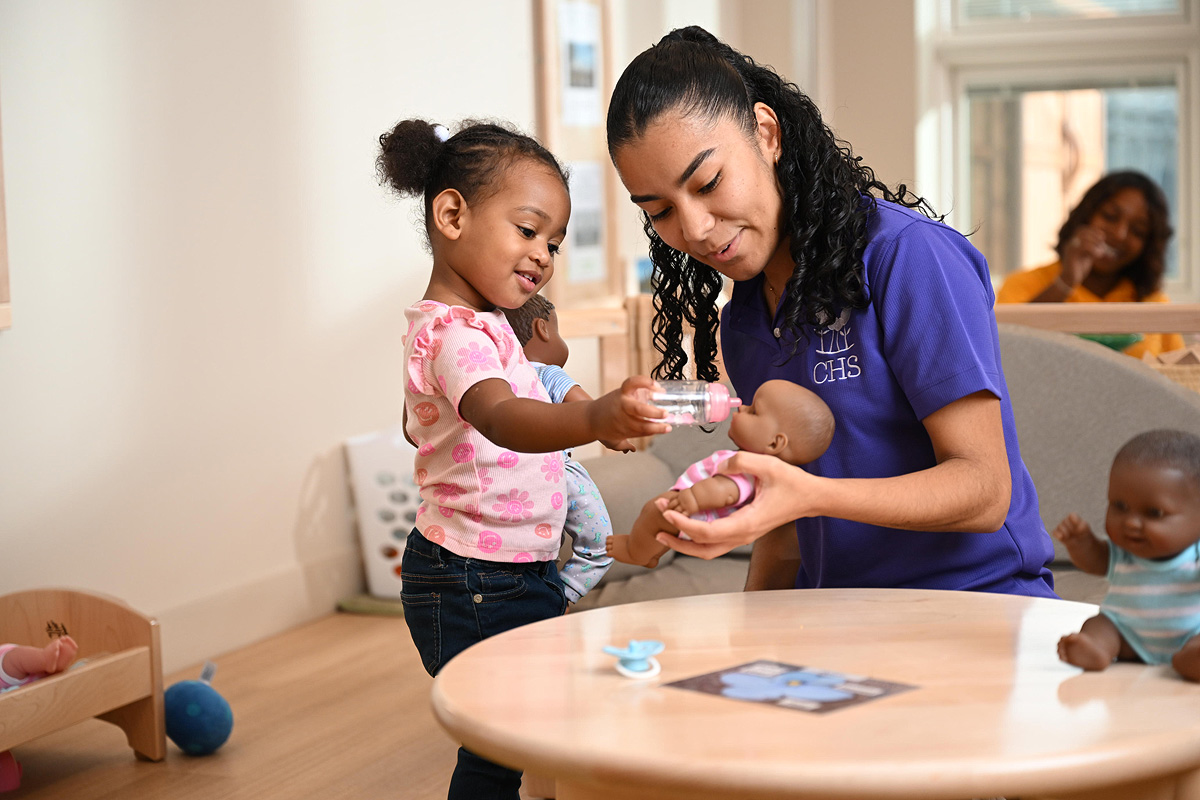
How Music and Movement Activities Support Early Brain Development
Singing, dancing, and playing simple instruments activate multiple brain regions simultaneously, strengthening neural connections related to language, memory, coordination, and emotional regulation.
Handpicked for You
Featured Articles




Keep Reading
Recommended Articles
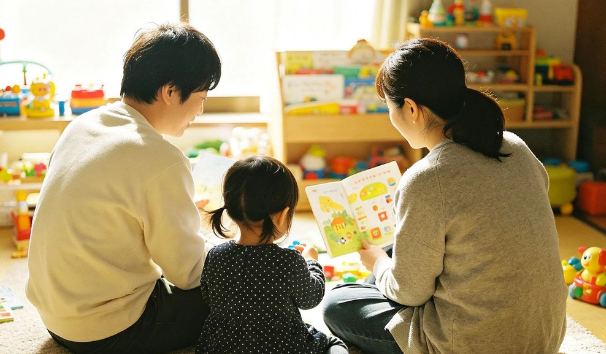
When Asked About Parent-Child Reading, the More Children Read, the More Transparent They Become
In parent-child reading, avoid quiz-style, single-answer, and age-inappropriate questions; ask according to the child's age by encouraging observation, prediction, and real-life connection.
Why Play Is an Important Part of Early Education
Friedrich Fröbel, widely regarded as the father of preschool education, proposed using play as an important way to educate young children. Play supports creativity, social skills, and cognitive growth.
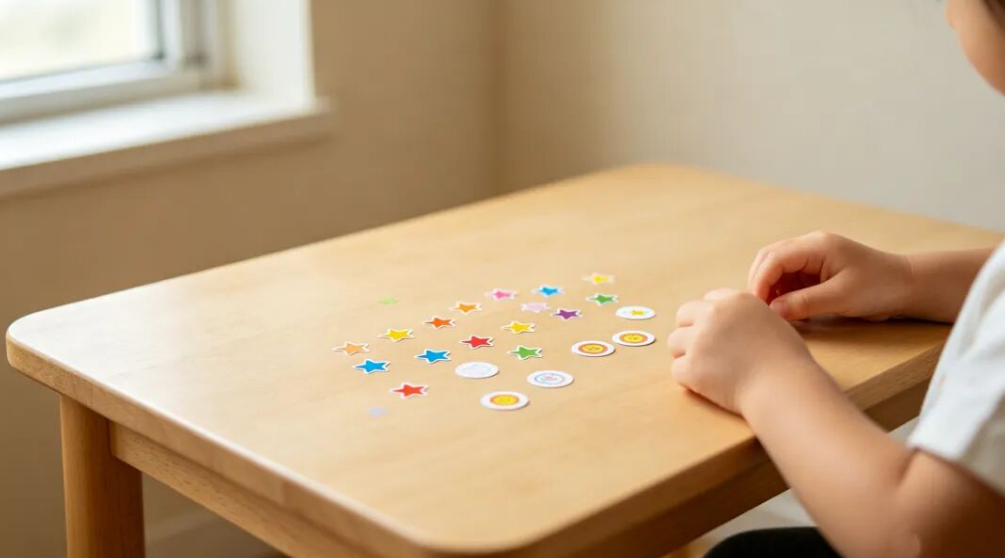
The Obedience Earned Through Sticker Rewards May Be Affecting Children's Intrinsic Motivation
Sticker rewards may secure short-term cooperation from children but can weaken their intrinsic motivation, so families should reduce material exchanges and instead describe facts and affirm feelings.

Bedtime Programming Guide: A Set of Procedures to Help Children Transition
A bedtime routine with a fixed order, fixed duration, and advance fulfillment of needs like water, toilet, and hugs can turn sleep from a nightly negotiation into a consistent routine.
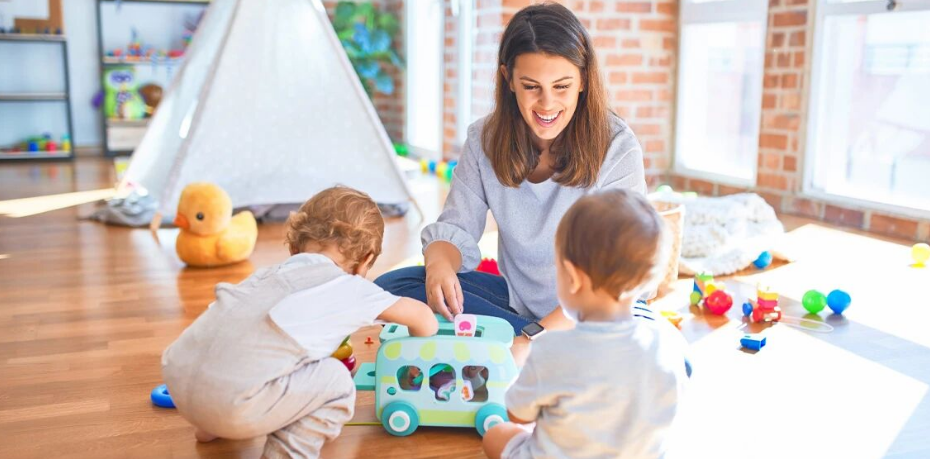
Parenting Instructions for Children with Different Personalities
Understanding children's personality differences and raising them in ways that suit their nature allows every kind of growth to thrive.
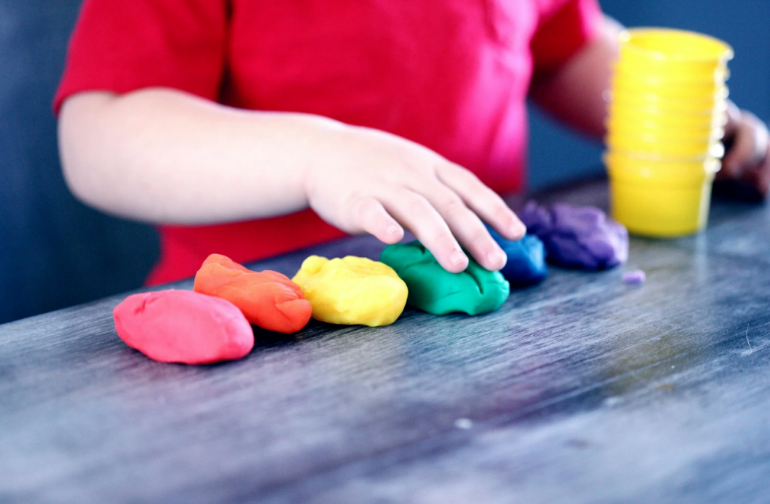
Six Methods to Help Children Establish Organizing Habits
By choosing suitable storage tools, setting fixed tidying areas, making workable plans, and offering moderate encouragement, parents can gradually help children build tidying habits.
Worth Revisiting
Reader Favorites

Useful Learning Resources for Children Who Struggle with Homework
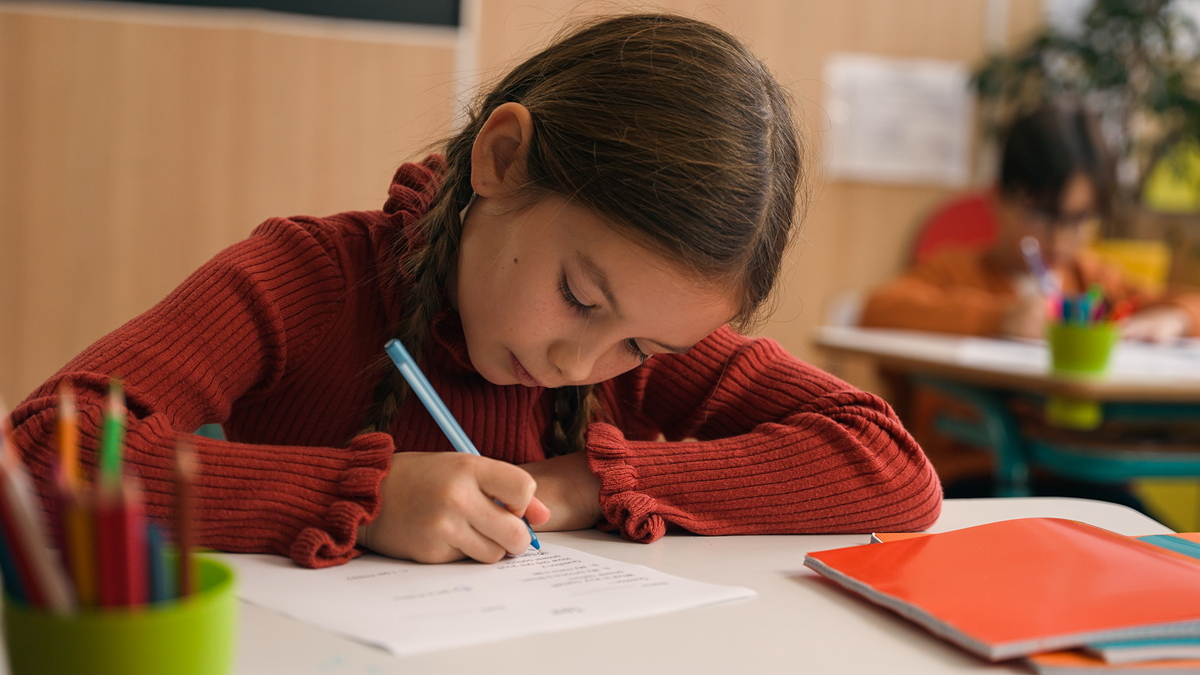
How to Provide Effective Support for Children's Learning?
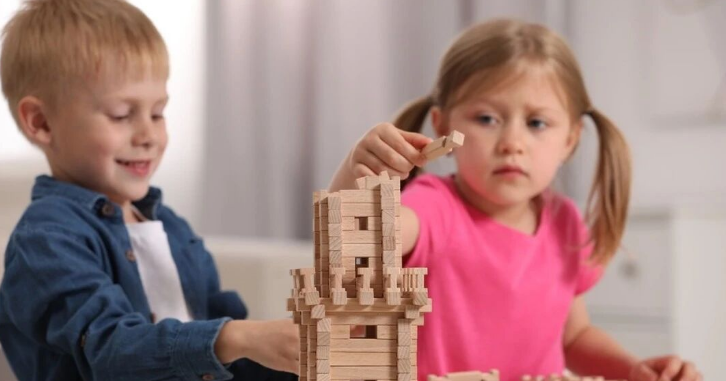
Equipping Children with 'Brain Commanders': A Guide to Enhancing Executive Function

How to Provide Complete Protection for Children in Divorced Families
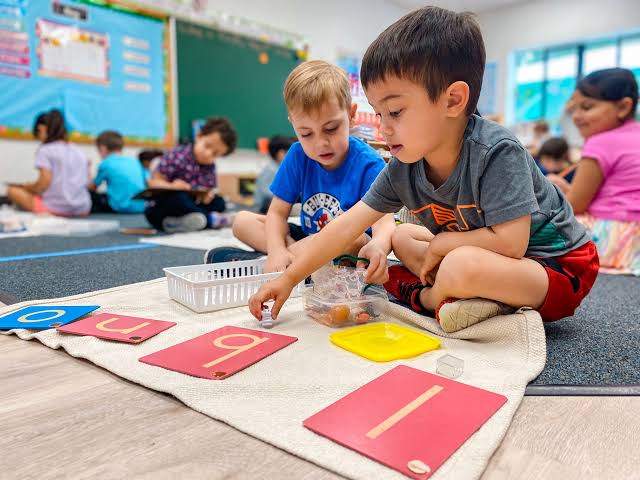
Simple Ways to Encourage Curiosity in Young Children